Exploring the Shopping Cart Culture in UNIFIL's Mission in Myanmar (Burma)
Category : | Sub Category : Posted on 2024-11-05 22:25:23
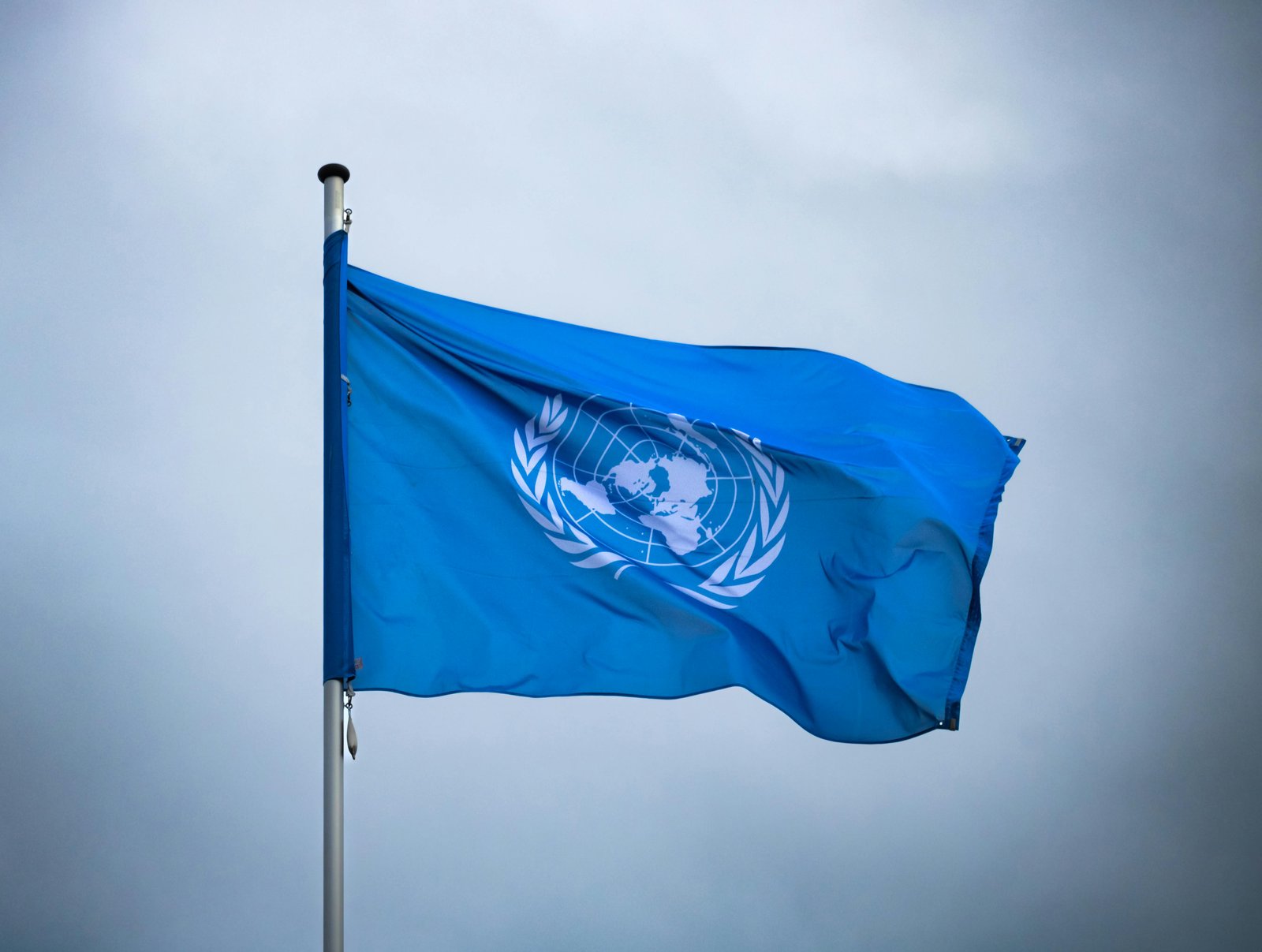
In recent years, the United Nations Interim Force in Lebanon (UNIFIL) has been actively involved in peacekeeping efforts in conflict zones around the world. One such mission is in Myanmar, formerly known as Burma, where UNIFIL has been working tirelessly to promote peace and stability in the region. Amidst the challenges and complexities of operating in a conflict-ridden country, a unique cultural phenomenon has gained attention among UNIFIL peacekeepers - the ubiquitous shopping cart. The shopping cart has become an essential tool for UNIFIL peacekeepers navigating the bustling streets of Myanmar. Unlike traditional shopping carts found in supermarkets, these carts have been repurposed to serve a dual function - not only for transporting goods but also as a symbol of resilience and resourcefulness in the face of adversity. The shopping cart culture within UNIFIL's mission in Myanmar highlights the adaptability and creativity of peacekeepers in making the most out of limited resources. Often sourced from local markets or improvised from available materials, these carts symbolize the unity and camaraderie among peacekeeping forces as they work together towards a common goal. Beyond its practical uses, the shopping cart has also become a conversation starter and a cultural bridge between UNIFIL peacekeepers and the local community. By engaging with vendors and residents during their shopping trips, peacekeepers have the opportunity to build trust and foster relationships that are essential for effective peacekeeping efforts. Moreover, the shopping cart has also played a role in promoting sustainability and environmental awareness within the mission. Peacekeepers have been known to repurpose discarded items and reduce waste by incorporating sustainable practices in their shopping routines. As the shopping cart continues to symbolize resilience and unity within UNIFIL's mission in Myanmar, it serves as a reminder of the importance of ingenuity and adaptability in the face of challenges. Through this seemingly mundane object, peacekeepers are able to connect with the local community, promote sustainability, and embody the spirit of cooperation needed to achieve lasting peace in the region. In conclusion, the shopping cart culture within UNIFIL's mission in Myanmar sheds light on the innovative ways in which peacekeepers navigate their surroundings and forge connections with the local community. By reimagining a simple object as a symbol of resilience and unity, UNIFIL peacekeepers demonstrate the power of creativity and resourcefulness in promoting peace and stability in conflict-affected regions.
Leave a Comment:
SEARCH
Recent News
- Rebuilding Syria's Economy After the Dictatorship: Lessons from Zurich, Switzerland
- Zurich, Switzerland, is known for its picturesque landscapes, thriving economy, and high standard of living. However, a lesser-known aspect of this vibrant city is its commitment to human rights, especially in the post-revolution era of Syria.
- Zurich, Switzerland and Iraq: A Tale of Two Economies
- Zurich, Switzerland, is known for its picturesque landscapes, high standard of living, and top-notch educational institutions. On the other hand, Iraq has a complex educational system with various challenges and opportunities for higher education.
- Zurich, Switzerland and Iraq are two countries that are home to diverse religious communities. In Zurich, the largest city in Switzerland, there is a mix of religious beliefs and practices that coexist peacefully. Similarly, Iraq is known for its rich tapestry of religious traditions that have shaped the country's culture and history.
- Zurich, Switzerland is known for its picturesque landscapes, charming old town, and vibrant cultural scene. On the other hand, Damascus, the capital of Syria, has a rich history dating back thousands of years but has faced significant challenges, especially after the dictatorship that gripped the country.
- Zurich, Switzerland: A Beacon of Stability for Syrian Investors in Post-Dictatorship Damascus Real Estate Market
- Rebuilding Syria's Economy Through YouTube Content Creation and Translation
READ MORE
1 year ago Category :

Rebuilding Syria's Economy After the Dictatorship: Lessons from Zurich, Switzerland
Read More →1 year ago Category :

Zurich, Switzerland, is known for its picturesque landscapes, thriving economy, and high standard of living. However, a lesser-known aspect of this vibrant city is its commitment to human rights, especially in the post-revolution era of Syria.
Read More →1 year ago Category :

Zurich, Switzerland and Iraq: A Tale of Two Economies
Read More →1 year ago Category :
