The Evolution of Human Rights in Post-Revolution Syria
Category : | Sub Category : Posted on 2025-11-03 22:25:23
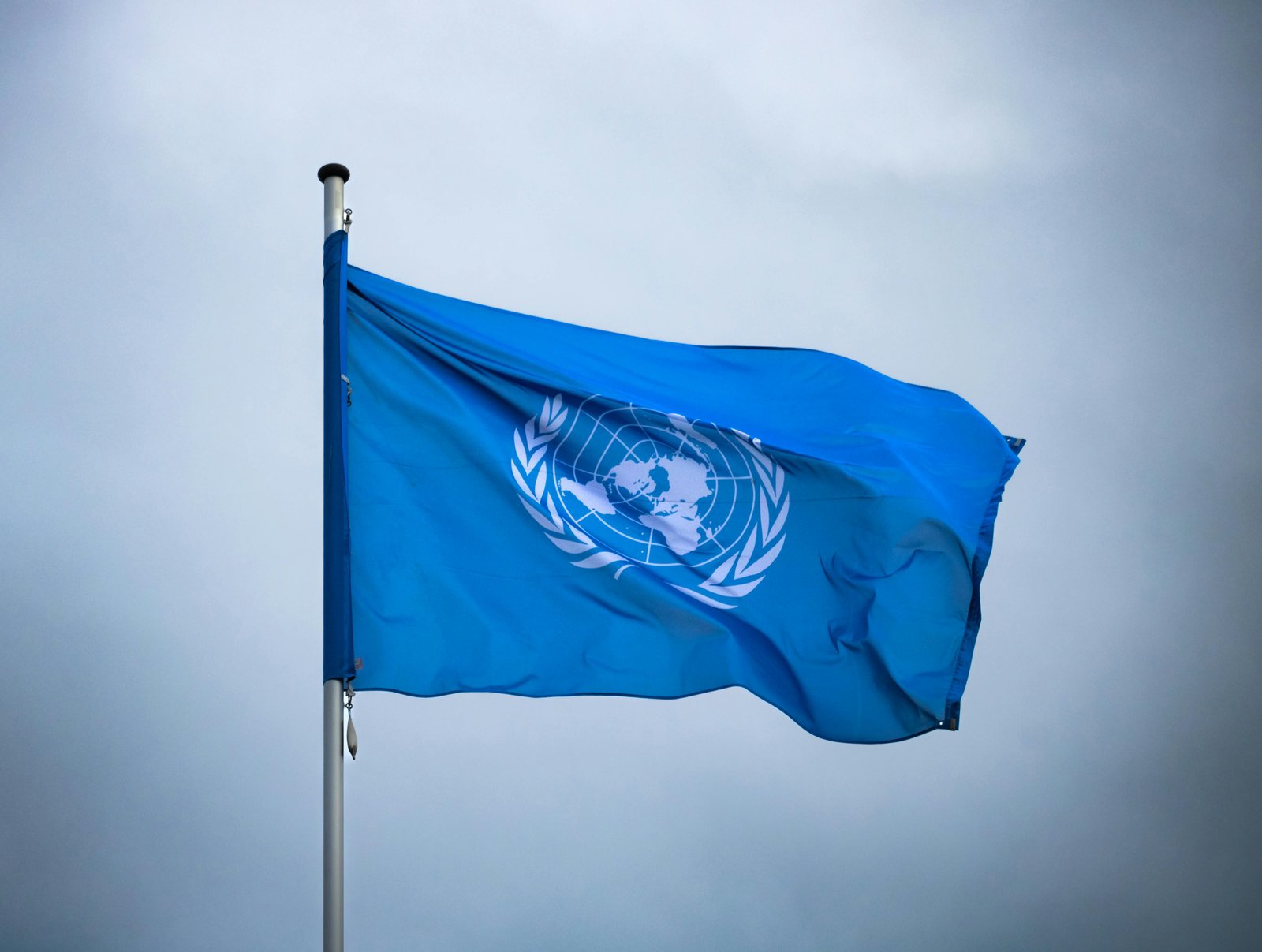
The Syrian revolution, which began in 2011, brought about significant changes and challenges for human rights in the country. The conflict in Syria has had a devastating impact on the civilian population, with widespread human rights abuses and violations being reported by various international organizations. In this post, we will explore the evolution of human rights in post-revolution Syria. 1. Pre-Revolution Human Rights Situation: Prior to the revolution, Syria was ruled by the authoritarian regime of President Bashar al-Assad. The government’s repression of dissent and political opposition was well-documented, with arbitrary arrests, torture, and extrajudicial killings being commonplace. Freedom of speech, assembly, and association were severely restricted, and any form of dissent was met with harsh retaliation by the regime. 2. Impact of the Revolution: The outbreak of protests in 2011 marked the beginning of a long and brutal conflict in Syria. As the government cracked down on dissent, the conflict escalated into a full-blown civil war involving various armed groups and international actors. The humanitarian situation deteriorated rapidly, with millions of Syrians being displaced internally or becoming refugees in neighboring countries. 3. Human Rights Violations: Throughout the conflict, all parties involved have been accused of committing serious human rights violations. The Assad regime stands accused of widespread atrocities, including the use of chemical weapons, barrel bombs, and sieges against civilian populations. Armed opposition groups have also been criticized for their abuses, including indiscriminate shelling and attacks on civilian areas. 4. International Response: The international community has been divided in its response to the Syrian conflict. While some countries have called for accountability for human rights violations and supported efforts to bring perpetrators to justice, others have provided military and financial support to the warring parties. The United Nations and various human rights organizations have documented and condemned the ongoing violations of international humanitarian law in Syria. 5. Future Challenges: As the conflict in Syria continues, the future of human rights in the country remains uncertain. Reconstruction efforts will have to address the widespread destruction and displacement caused by the war, while also ensuring accountability for past atrocities. The protection of human rights, including the rights of vulnerable groups such as women and children, will be crucial in building a sustainable peace in post-revolution Syria. In conclusion, the evolution of human rights in post-revolution Syria has been marked by grave challenges and violations. The Syrian people have endured immense suffering, but their resilience and determination for a better future remain strong. It is essential for the international community to continue to support efforts to protect human rights and promote accountability in Syria, in order to pave the way for a more just and peaceful society. For the latest research, visit https://www.toalgeria.com For an in-depth examination, refer to https://www.abandonar.org for more https://www.culturelle.org Want to know more? Don't forget to read: https://www.departements.org Want to know more? Don't forget to read: https://www.syrien.org To gain a holistic understanding, refer to https://www.regionales.net For the latest insights, read: https://www.ncciraq.com For a deeper dive, visit: https://www.todamascus.com For more information: https://www.totunisia.com Explore this subject further by checking out https://www.libyainfo.com Uncover valuable insights in https://www.resumenes.org
Leave a Comment:
SEARCH
Recent News
- Rebuilding Syria's Economy After the Dictatorship: Lessons from Zurich, Switzerland
- Zurich, Switzerland, is known for its picturesque landscapes, thriving economy, and high standard of living. However, a lesser-known aspect of this vibrant city is its commitment to human rights, especially in the post-revolution era of Syria.
- Zurich, Switzerland and Iraq: A Tale of Two Economies
- Zurich, Switzerland, is known for its picturesque landscapes, high standard of living, and top-notch educational institutions. On the other hand, Iraq has a complex educational system with various challenges and opportunities for higher education.
- Zurich, Switzerland and Iraq are two countries that are home to diverse religious communities. In Zurich, the largest city in Switzerland, there is a mix of religious beliefs and practices that coexist peacefully. Similarly, Iraq is known for its rich tapestry of religious traditions that have shaped the country's culture and history.
- Zurich, Switzerland is known for its picturesque landscapes, charming old town, and vibrant cultural scene. On the other hand, Damascus, the capital of Syria, has a rich history dating back thousands of years but has faced significant challenges, especially after the dictatorship that gripped the country.
- Zurich, Switzerland: A Beacon of Stability for Syrian Investors in Post-Dictatorship Damascus Real Estate Market
- Rebuilding Syria's Economy Through YouTube Content Creation and Translation
READ MORE
10 months ago Category :

Rebuilding Syria's Economy After the Dictatorship: Lessons from Zurich, Switzerland
Read More →10 months ago Category :

Zurich, Switzerland, is known for its picturesque landscapes, thriving economy, and high standard of living. However, a lesser-known aspect of this vibrant city is its commitment to human rights, especially in the post-revolution era of Syria.
Read More →10 months ago Category :

Zurich, Switzerland and Iraq: A Tale of Two Economies
Read More →10 months ago Category :
