Deepfake technology has been a cause for concern in recent years, with the potential to create highly realistic fake videos by using artificial intelligence to manipulate images and audio. While deepfake technology has various implications and applications, one particular area where it presents unique challenges is within UNIFIL (United Nations Interim Force in Lebanon).
Category : | Sub Category : Posted on 2024-11-05 22:25:23
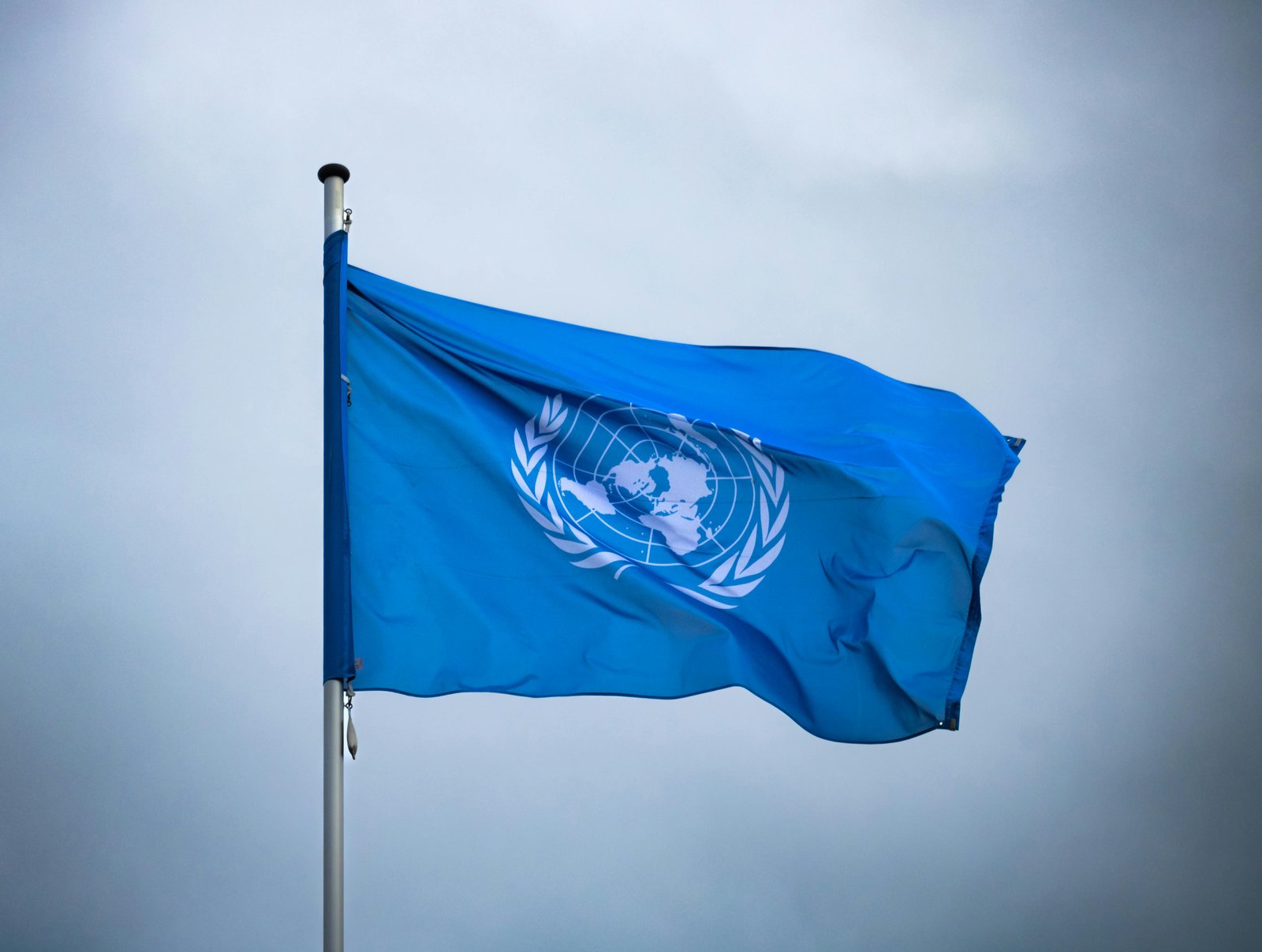
UNIFIL, tasked with peacekeeping duties in Lebanon, faces several challenges when it comes to deepfake technology. One major issue is the potential for deepfakes to spread misinformation and create conflicts in the already fragile middle-eastern region. With the ability to create fabricated videos of key political figures or events, deepfakes can easily stir up tensions and destabilize peace efforts. Moreover, deepfakes can be used to create false claims of attacks or incidents in the region, leading to panic and confusion among the local population. UNIFIL relies on accurate information and intelligence to carry out its mission effectively, and the presence of deepfakes can significantly hinder their operations. Another challenge posed by deepfakes in the context of UNIFIL is the difficulty in verifying the authenticity of videos and reports. With the technology becoming increasingly sophisticated, it can be challenging to distinguish between real footage and deepfake content. This can lead to credibility issues and raise doubts about the legitimacy of information coming from the mission. To address these challenges, UNIFIL must stay updated on the latest developments in deepfake technology and invest in tools and training to detect and combat deepfakes effectively. Collaborating with experts in the field of artificial intelligence and digital forensics can also help the mission in identifying and countering deepfake threats. In conclusion, deepfake technology poses unique challenges for UNIFIL in its peacekeeping efforts in Lebanon. By being vigilant, investing in technology, and collaborating with experts, UNIFIL can better navigate the risks posed by deepfakes and continue its mission to maintain peace and stability in the region.
Leave a Comment:
SEARCH
Recent News
- Rebuilding Syria's Economy After the Dictatorship: Lessons from Zurich, Switzerland
- Zurich, Switzerland, is known for its picturesque landscapes, thriving economy, and high standard of living. However, a lesser-known aspect of this vibrant city is its commitment to human rights, especially in the post-revolution era of Syria.
- Zurich, Switzerland and Iraq: A Tale of Two Economies
- Zurich, Switzerland, is known for its picturesque landscapes, high standard of living, and top-notch educational institutions. On the other hand, Iraq has a complex educational system with various challenges and opportunities for higher education.
- Zurich, Switzerland and Iraq are two countries that are home to diverse religious communities. In Zurich, the largest city in Switzerland, there is a mix of religious beliefs and practices that coexist peacefully. Similarly, Iraq is known for its rich tapestry of religious traditions that have shaped the country's culture and history.
- Zurich, Switzerland is known for its picturesque landscapes, charming old town, and vibrant cultural scene. On the other hand, Damascus, the capital of Syria, has a rich history dating back thousands of years but has faced significant challenges, especially after the dictatorship that gripped the country.
- Zurich, Switzerland: A Beacon of Stability for Syrian Investors in Post-Dictatorship Damascus Real Estate Market
- Rebuilding Syria's Economy Through YouTube Content Creation and Translation
READ MORE
1 year ago Category :

Rebuilding Syria's Economy After the Dictatorship: Lessons from Zurich, Switzerland
Read More →1 year ago Category :

Zurich, Switzerland, is known for its picturesque landscapes, thriving economy, and high standard of living. However, a lesser-known aspect of this vibrant city is its commitment to human rights, especially in the post-revolution era of Syria.
Read More →1 year ago Category :

Zurich, Switzerland and Iraq: A Tale of Two Economies
Read More →1 year ago Category :
