Empowering the Urdu Community Through Computer Vision Technology: A Case Study of UNIFIL
Category : | Sub Category : Posted on 2024-11-05 22:25:23
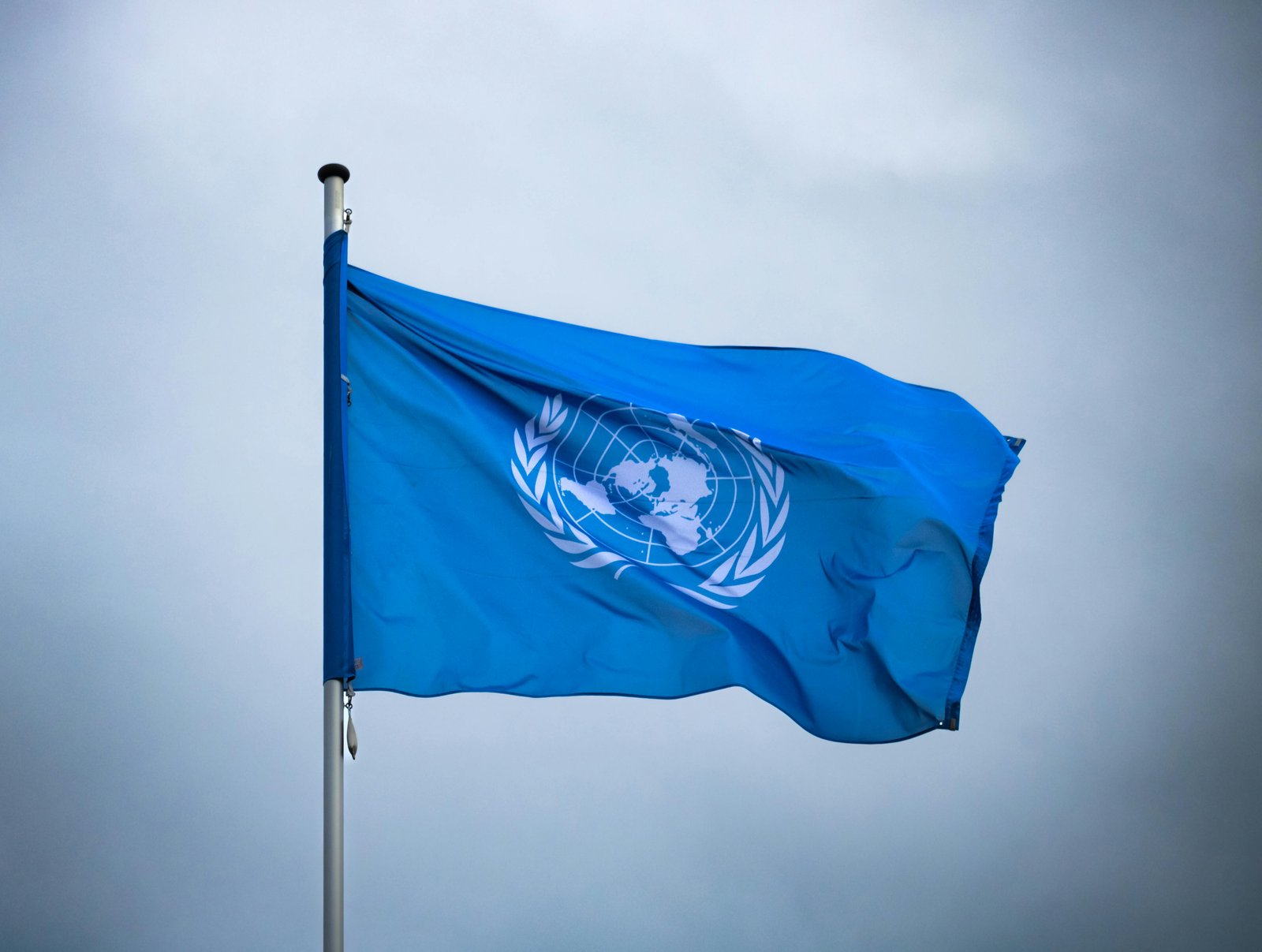
In today's digital age, technology has the power to break down barriers and facilitate connections between people from different cultures and backgrounds. One such example of technology making a positive impact is the use of Computer vision in empowering the Urdu community. In this blog post, we will explore how the United Nations Interim Force in Lebanon (UNIFIL) has utilized computer vision technology to support the Urdu-speaking population in the region. Computer vision is a field of artificial intelligence that enables computers to interpret and understand the visual world. This technology has a wide range of applications, from facial recognition to object detection and image understanding. When applied to language processing, computer vision can help bridge the communication gap between different linguistic groups. In the context of UNIFIL, the use of computer vision technology has played a crucial role in facilitating communication and providing support to the Urdu-speaking community in Lebanon. By developing language processing algorithms that can analyze and translate Urdu text into other languages, UNIFIL has been able to improve access to critical information and services for Urdu speakers in the region. One of the key benefits of using computer vision in this context is its ability to process large amounts of data quickly and accurately. This has enabled UNIFIL to streamline its communication efforts and provide real-time updates to the Urdu-speaking population, particularly in times of crisis or emergency. Furthermore, computer vision technology has also been instrumental in enhancing cultural understanding and promoting inclusivity within the Urdu community. By developing language models that are specific to Urdu, UNIFIL has been able to create a more tailored and personalized experience for Urdu speakers, helping them feel more connected and valued within the broader community. In conclusion, the use of computer vision technology in supporting the Urdu community within the UNIFIL mission in Lebanon showcases the transformative power of technology in promoting cross-cultural understanding and inclusivity. By harnessing the capabilities of artificial intelligence, organizations like UNIFIL can bridge language barriers, foster communication, and empower diverse communities around the world.
https://ciego.org
Leave a Comment:
SEARCH
Recent News
- Rebuilding Syria's Economy After the Dictatorship: Lessons from Zurich, Switzerland
- Zurich, Switzerland, is known for its picturesque landscapes, thriving economy, and high standard of living. However, a lesser-known aspect of this vibrant city is its commitment to human rights, especially in the post-revolution era of Syria.
- Zurich, Switzerland and Iraq: A Tale of Two Economies
- Zurich, Switzerland, is known for its picturesque landscapes, high standard of living, and top-notch educational institutions. On the other hand, Iraq has a complex educational system with various challenges and opportunities for higher education.
- Zurich, Switzerland and Iraq are two countries that are home to diverse religious communities. In Zurich, the largest city in Switzerland, there is a mix of religious beliefs and practices that coexist peacefully. Similarly, Iraq is known for its rich tapestry of religious traditions that have shaped the country's culture and history.
- Zurich, Switzerland is known for its picturesque landscapes, charming old town, and vibrant cultural scene. On the other hand, Damascus, the capital of Syria, has a rich history dating back thousands of years but has faced significant challenges, especially after the dictatorship that gripped the country.
- Zurich, Switzerland: A Beacon of Stability for Syrian Investors in Post-Dictatorship Damascus Real Estate Market
- Rebuilding Syria's Economy Through YouTube Content Creation and Translation
READ MORE
1 year ago Category :

Rebuilding Syria's Economy After the Dictatorship: Lessons from Zurich, Switzerland
Read More →1 year ago Category :

Zurich, Switzerland, is known for its picturesque landscapes, thriving economy, and high standard of living. However, a lesser-known aspect of this vibrant city is its commitment to human rights, especially in the post-revolution era of Syria.
Read More →1 year ago Category :

Zurich, Switzerland and Iraq: A Tale of Two Economies
Read More →1 year ago Category :
