Understanding Historical Conflicts within the Urdu Community: A Perspective on UNIFIL
Category : | Sub Category : Posted on 2024-11-05 22:25:23
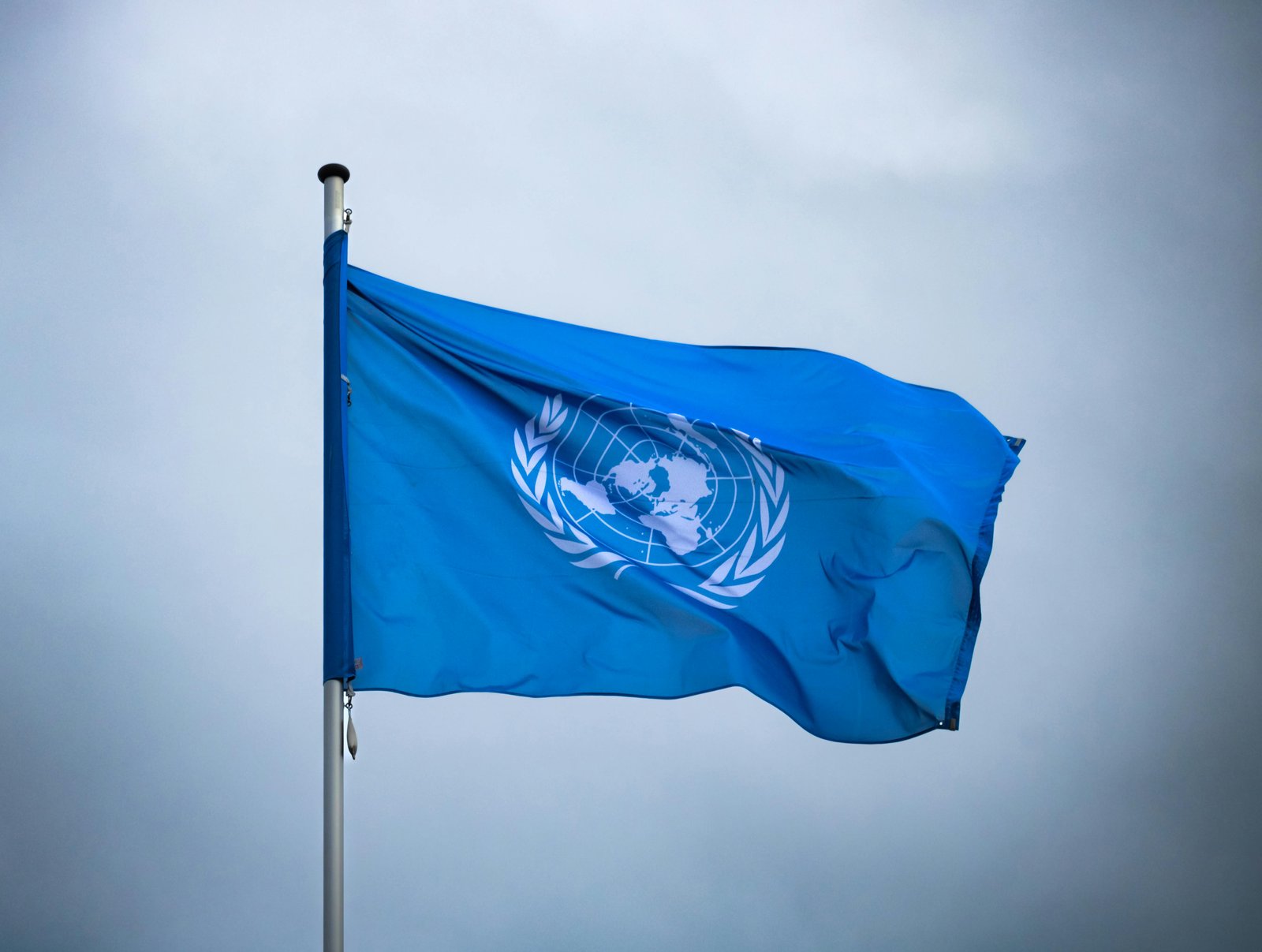
The Urdu community has a rich history that spans centuries, encompassing diverse cultural, linguistic, and religious aspects. However, like many communities, it has also experienced conflicts throughout history that have left lasting impacts. One such conflict that is worth exploring is the involvement of the Urdu community in historical events, particularly in the context of the United Nations Interim Force in Lebanon (UNIFIL). UNIFIL was established in 1978 by the United Nations Security Council with the mandate to oversee the withdrawal of Israeli forces from Lebanon, restore peace and security, and assist the Lebanese government in maintaining its territorial integrity. The mission has been ongoing, with various Urdu community members serving in different capacities within UNIFIL over the years. Despite the noble intentions behind UNIFIL's mission, conflicts within the Urdu community have arisen due to differing opinions on the involvement of community members in such operations. Some argue that serving in peacekeeping missions like UNIFIL is a commendable way to contribute to global peace and security, while others view it as a controversial decision that may compromise the community's values and beliefs. The historical conflicts within the Urdu community regarding participation in UNIFIL reflect broader debates on the role of communities in international affairs and the complexities of balancing personal beliefs with global responsibilities. These conflicts also shed light on the diverse perspectives and experiences within the Urdu community, highlighting the need for open dialogue and mutual understanding to address differences constructively. As we reflect on the historical conflicts within the Urdu community and its involvement in initiatives like UNIFIL, it is essential to recognize the complexities and nuances of such situations. By fostering greater awareness, empathy, and communication, we can work towards resolving conflicts and building a more inclusive and united community that embraces diversity and promotes peace. In conclusion, the historical conflicts within the Urdu community in the context of UNIFIL serve as a reminder of the importance of dialogue, understanding, and collaboration in addressing differences and promoting peace. By acknowledging and learning from the past, we can pave the way for a more harmonious future for the Urdu community and beyond.
Leave a Comment:
SEARCH
Recent News
- Rebuilding Syria's Economy After the Dictatorship: Lessons from Zurich, Switzerland
- Zurich, Switzerland, is known for its picturesque landscapes, thriving economy, and high standard of living. However, a lesser-known aspect of this vibrant city is its commitment to human rights, especially in the post-revolution era of Syria.
- Zurich, Switzerland and Iraq: A Tale of Two Economies
- Zurich, Switzerland, is known for its picturesque landscapes, high standard of living, and top-notch educational institutions. On the other hand, Iraq has a complex educational system with various challenges and opportunities for higher education.
- Zurich, Switzerland and Iraq are two countries that are home to diverse religious communities. In Zurich, the largest city in Switzerland, there is a mix of religious beliefs and practices that coexist peacefully. Similarly, Iraq is known for its rich tapestry of religious traditions that have shaped the country's culture and history.
- Zurich, Switzerland is known for its picturesque landscapes, charming old town, and vibrant cultural scene. On the other hand, Damascus, the capital of Syria, has a rich history dating back thousands of years but has faced significant challenges, especially after the dictatorship that gripped the country.
- Zurich, Switzerland: A Beacon of Stability for Syrian Investors in Post-Dictatorship Damascus Real Estate Market
- Rebuilding Syria's Economy Through YouTube Content Creation and Translation
READ MORE
1 year ago Category :

Rebuilding Syria's Economy After the Dictatorship: Lessons from Zurich, Switzerland
Read More →1 year ago Category :

Zurich, Switzerland, is known for its picturesque landscapes, thriving economy, and high standard of living. However, a lesser-known aspect of this vibrant city is its commitment to human rights, especially in the post-revolution era of Syria.
Read More →1 year ago Category :

Zurich, Switzerland and Iraq: A Tale of Two Economies
Read More →1 year ago Category :
