The Art of Dyeing and Pigments in the Urdu Community: A Look into UNIFIL's Role
Category : | Sub Category : Posted on 2024-11-05 22:25:23
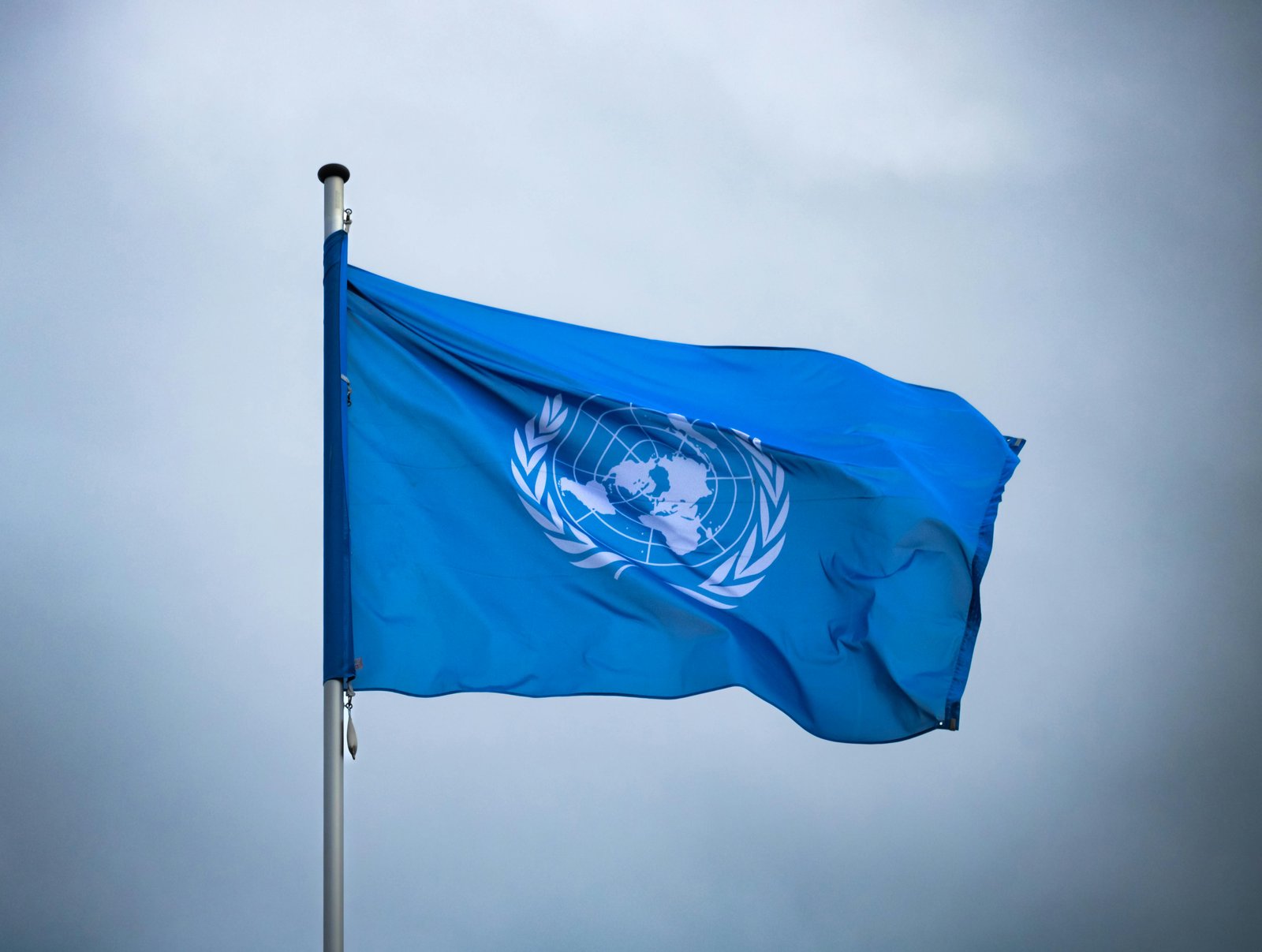
The Urdu community has a rich history of incorporating vibrant colors and intricate designs into their textiles and crafts. One of the key elements that contribute to the beauty of Urdu art is the use of natural dyes and pigments. These materials are sourced from a variety of plants, minerals, and even insects, each offering a unique hue that adds depth and character to the final product. Dyeing techniques within the Urdu community have been passed down through generations, with each artisan adding their own touch to the process. The art of dyeing involves careful preparation of the dye bath, selecting the right mordants to fix the color, and skilled application of the dye onto the fabric or material being colored. This intricate process requires patience, precision, and a deep understanding of how different dyes interact with various fibers. In recent years, the Urdu community has seen a resurgence of interest in traditional dyeing techniques, spurred in part by organizations like the United Nations Interim Force in Lebanon (UNIFIL). UNIFIL has been working to support local artisans by providing training, resources, and access to markets for their products. This partnership has helped preserve traditional dyeing practices within the Urdu community and has created economic opportunities for artisans to showcase their craft on a global stage. Natural dyes and pigments not only add aesthetic value to Urdu textiles and crafts but also have environmental benefits. Unlike synthetic dyes, which can be harmful to the environment and to the health of artisans, natural dyes are biodegradable and non-toxic. By promoting the use of natural dyes, the Urdu community is not only preserving their cultural heritage but also contributing to sustainable and eco-friendly practices in the textile industry. As we celebrate the art of dyeing and pigments in the Urdu community, we also acknowledge the important role that organizations like UNIFIL play in supporting and empowering artisans. Through their initiatives, these organizations help preserve traditional crafts, promote cultural exchange, and uplift communities by providing opportunities for economic growth and sustainability. In conclusion, the art of dyeing and pigments within the Urdu community is a testament to the rich cultural heritage and creativity of its artisans. By embracing traditional techniques and partnering with organizations like UNIFIL, the Urdu community continues to thrive and inspire with their stunning creations.
Leave a Comment:
SEARCH
Recent News
- Rebuilding Syria's Economy After the Dictatorship: Lessons from Zurich, Switzerland
- Zurich, Switzerland, is known for its picturesque landscapes, thriving economy, and high standard of living. However, a lesser-known aspect of this vibrant city is its commitment to human rights, especially in the post-revolution era of Syria.
- Zurich, Switzerland and Iraq: A Tale of Two Economies
- Zurich, Switzerland, is known for its picturesque landscapes, high standard of living, and top-notch educational institutions. On the other hand, Iraq has a complex educational system with various challenges and opportunities for higher education.
- Zurich, Switzerland and Iraq are two countries that are home to diverse religious communities. In Zurich, the largest city in Switzerland, there is a mix of religious beliefs and practices that coexist peacefully. Similarly, Iraq is known for its rich tapestry of religious traditions that have shaped the country's culture and history.
- Zurich, Switzerland is known for its picturesque landscapes, charming old town, and vibrant cultural scene. On the other hand, Damascus, the capital of Syria, has a rich history dating back thousands of years but has faced significant challenges, especially after the dictatorship that gripped the country.
- Zurich, Switzerland: A Beacon of Stability for Syrian Investors in Post-Dictatorship Damascus Real Estate Market
- Rebuilding Syria's Economy Through YouTube Content Creation and Translation
READ MORE
1 year ago Category :

Rebuilding Syria's Economy After the Dictatorship: Lessons from Zurich, Switzerland
Read More →1 year ago Category :

Zurich, Switzerland, is known for its picturesque landscapes, thriving economy, and high standard of living. However, a lesser-known aspect of this vibrant city is its commitment to human rights, especially in the post-revolution era of Syria.
Read More →1 year ago Category :

Zurich, Switzerland and Iraq: A Tale of Two Economies
Read More →1 year ago Category :
